Everyday Plastic and Your Heart: Understanding the Risks and 4 Steps to Protect Your Health
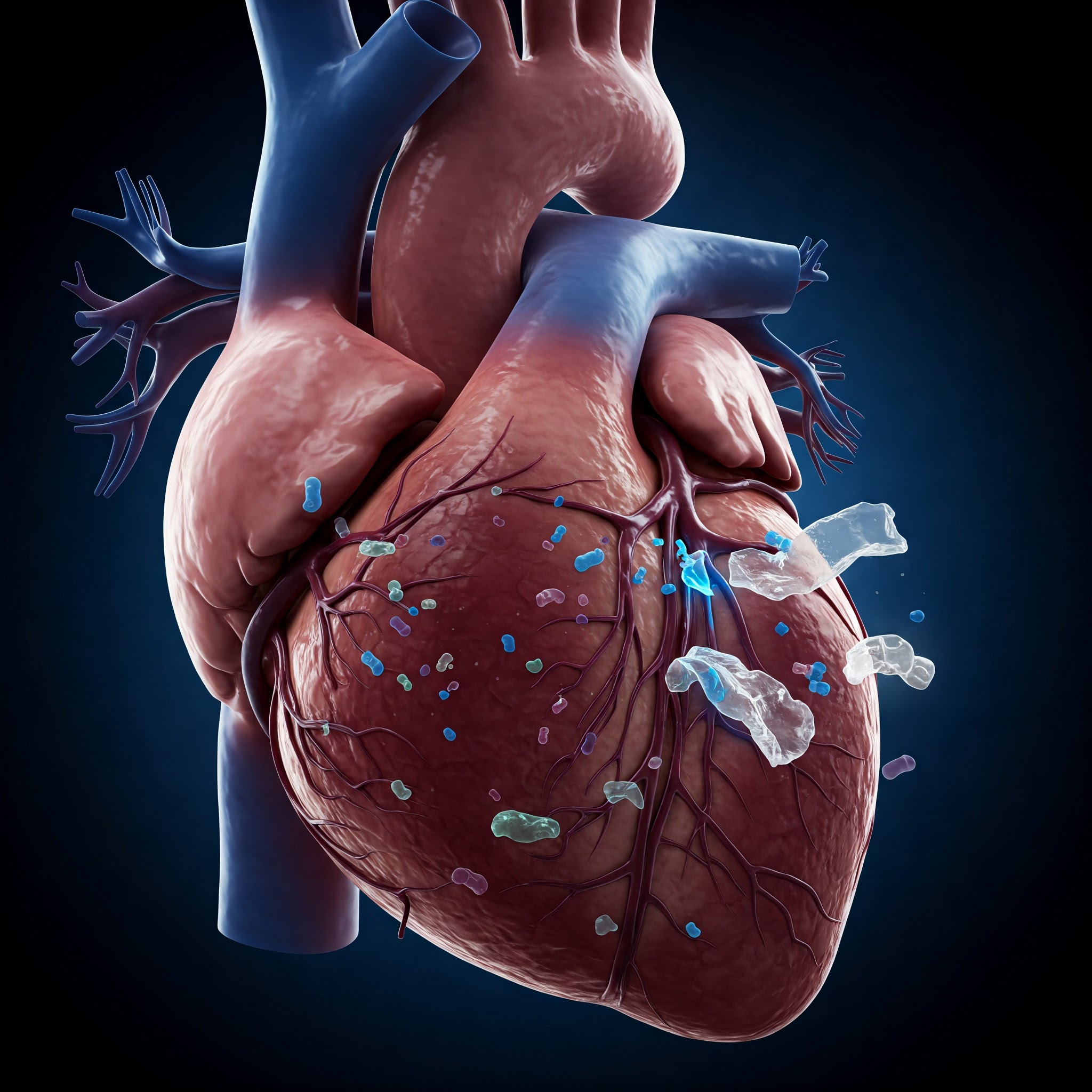
From water bottles to food containers, plastic has become an indispensable part of our daily lives. Its convenience is undeniable, but what if this ubiquity came at a significant cost to your health, particularly your heart? Emerging research suggests that the plastics we use every day could be silently increasing your risk of cardiovascular disease.
How Plastic Impacts Your Heart Health
The pervasive use of plastic exposes us to harmful chemicals like Bisphenol A (BPA) and Phthalates. These endocrine-disrupting chemicals are known to interfere with our body’s delicate hormonal balance. This disruption can directly contribute to an increased risk of:
- Heart disease
- Elevated blood pressure
- Unhealthy cholesterol levels
Experts warn that prolonged consumption of food or water stored in plastic containers allows these chemicals to leach into our system. Once absorbed, these compounds can gradually impair vital heart function and overall cardiovascular health over time.
The Scientific Evidence: What Research Reveals
Recent scientific studies underscore the seriousness of this issue. Research indicates that individuals with higher exposure to plastic-derived chemicals face up to a 20% greater risk of developing heart-related illnesses compared to those with lower exposure.
This risk is significantly amplified under certain conditions, such as using plastic containers for microwaving food or storing hot meals. Heat drastically accelerates the migration of these toxic chemicals from the plastic into your food, making these practices particularly concerning.
4 Actionable Steps to Reduce Your Plastic Exposure and Protect Your Heart
While eliminating plastic entirely might be challenging, you can take practical steps to significantly reduce your exposure to harmful chemicals and safeguard your cardiovascular health.
1. Avoid Heating Food in Plastic
Never microwave food or reheat meals in plastic containers. The heat drastically increases the rate at which harmful chemicals like BPA and Phthalates migrate from the plastic into your meal. Always transfer food to glass or ceramic dishes before heating.
2. Choose BPA-Free and Phthalate-Free Products
When purchasing plastic items, especially those that come into contact with food or beverages, look for labels that explicitly state ‘BPA-free’ and ‘Phthalate-free.’ While not a complete solution, these products are designed to reduce exposure to some of the most concerning chemicals.
3. Opt for Safer Alternatives for Food and Drink
Gradually replace your plastic food storage and drinkware with alternatives made from glass, stainless steel, or ceramic. These materials are non-reactive and do not leach chemicals into your food or beverages, regardless of temperature:
- Glass containers: Ideal for food storage, meal prep, and reheating.
- Stainless steel bottles/lunchboxes: Excellent for water, hot beverages, and packed meals.
- Ceramic dishes: Safe for cooking, baking, and serving.
4. Reduce Overall Plastic Consumption
Beyond food and drink, strive to minimize your general exposure to plastic. Choose fresh, unpackaged foods whenever possible, bring your own reusable bags to the grocery store, and be mindful of plastic packaging in everyday products. Every small reduction contributes to a healthier environment and, most importantly, a healthier you.